Source Sichuan Style Self Heating Prefabricated Dishes for Restaurants
Find 30 verified options for sichuan style self heating prefabricated dishes suitable for restaurants, catering services, and retail stores. Compare specifications, certifications, and pricing from multiple suppliers to identify the best fit for your business needs; compare the available evidence and request quotations based on your requirements.
Key considerations
Products List
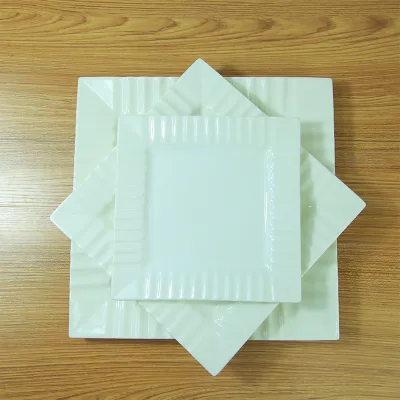


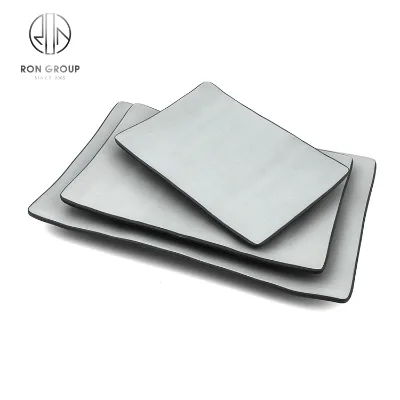

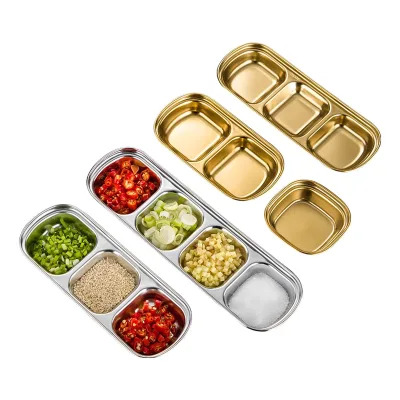


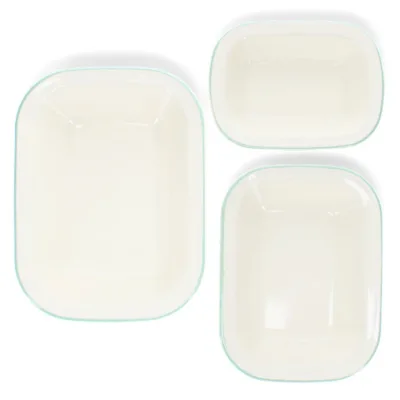


Comprehensive Sourcing Guide
Sichuan Style Self Heating Prefabricated Dishes Sourcing Guide
Sourcing Sichuan style self-heating prefabricated dishes requires a nuanced understanding of both culinary authenticity and the complex engineering of integrated heating mechanisms. These products combine traditional spicy flavor profiles with convenient, portable meal solutions, appealing to consumers seeking restaurant-quality experiences in casual or travel settings. Buyers must navigate a supply chain that involves food safety, chemical engineering for heat generation, and robust packaging logistics. The core challenge lies in ensuring that the heating element functions reliably without compromising the integrity of the food container or the safety of the end-user.
Procurement teams should prioritize suppliers who demonstrate expertise in both food formulation and packaging technology. The market is saturated with generic offerings, so differentiation comes from flavor authenticity, heating speed, and safety certifications. It is critical to verify that the supplier has a proven track record in exporting these specific types of ready-to-eat meals, as regulatory requirements vary significantly across regions. Establishing a clear communication channel for technical specifications and quality control protocols is essential before placing any initial orders.
Product Scope and Observed Listing Signals
The current market landscape for self-heating dishes includes a wide variety of formats, ranging from simple rice bowls to complex multi-component meals featuring meat, vegetables, and noodles. Observed listing signals indicate a strong emphasis on convenience, with many products marketed as ready-to-eat solutions that require only the addition of water to activate the heating process. Buyers should look for listings that clearly specify the weight of the food portion versus the total package weight, as this impacts shipping costs and consumer value perception.
Another key signal is the emphasis on flavor profiles, with Sichuan style being a dominant category due to its bold and distinctive taste. Suppliers often highlight the use of traditional spices and oils to replicate authentic regional cuisine. However, buyers must be cautious of vague descriptions regarding the heating mechanism. It is advisable to request detailed diagrams or videos demonstrating the activation process to ensure the product meets operational expectations for ease of use and safety during consumption.
Technical Specifications to Verify
Technical verification must begin with the heating element composition, which typically involves a mixture of lime, aluminum powder, and other reactive materials. Buyers should confirm the exact chemical composition and ensure that the reaction is controlled to prevent overheating or steam burns. The packaging material must be heat-resistant and impermeable to both moisture and gases generated during the heating process. It is crucial to verify that the container can withstand the internal pressure and temperature spikes without deforming or leaking.
Additionally, the food quality specifications must be rigorously checked, including shelf life, ingredient sourcing, and flavor consistency. Buyers should request samples to test the heating time and final temperature of the meal. The packaging design should also be evaluated for its structural integrity during transit, ensuring that the heating pack does not shift or break. Clear labeling instructions for activation and disposal are also critical technical aspects that impact user safety and regulatory compliance.
Compliance and Safety Documentation
Compliance with international food safety standards is non-negotiable for self-heating dishes. Buyers must verify that the supplier holds relevant certifications such as FDA, CE/EU, CIQ, LFGB, and EEC, which indicate adherence to strict hygiene and manufacturing practices. These certifications ensure that the food ingredients and packaging materials are safe for human consumption and do not leach harmful substances when exposed to high temperatures. Documentation should be current and verifiable through official channels.
Furthermore, safety testing reports for the heating mechanism are essential. Buyers should request data on thermal runaway prevention, pressure release mechanisms, and toxicity tests for any gases produced during the reaction. The supplier must provide clear evidence that the product has passed rigorous safety assessments in relevant markets. Without these documents, the risk of product recalls and legal liabilities increases significantly, making it imperative to audit the supplier’s quality management system thoroughly.
Cost Drivers and Commercial Terms
Cost structures for self-heating dishes are influenced by several factors, including the complexity of the heating mechanism, the quality of food ingredients, and the packaging materials. Buyers should expect higher costs for products with authentic, high-quality ingredients and advanced safety features. The MOQ (Minimum Order Quantity) can vary widely, with some suppliers requiring as few as 500 units while others demand volumes up to 50,000 units. Understanding these thresholds is crucial for budgeting and inventory planning.
Commercial terms also include shipping costs, which can be significant due to the hazardous nature of the heating elements. Buyers must clarify whether the supplier handles the necessary logistics for transporting dangerous goods, including proper labeling and documentation. Payment terms, lead times, and warranty policies should be negotiated carefully to mitigate risks. It is advisable to seek suppliers who offer flexible payment options and clear return policies for defective units.
Supplier Qualification and Quality Control
Supplier qualification involves a comprehensive audit of their manufacturing capabilities, quality control processes, and financial stability. Buyers should visit the factory or hire a third-party inspection agency to verify production lines, raw material storage, and finished goods testing procedures. The supplier must demonstrate a robust quality management system that includes regular checks on both food safety and packaging integrity. Transparency in their operations is a key indicator of reliability.
Quality control protocols should include batch testing for heating performance, flavor consistency, and packaging seal integrity. Buyers should establish clear acceptance criteria and inspection points throughout the production process. Regular communication with the supplier’s quality team is essential to address any issues promptly. Building a long-term partnership based on mutual trust and rigorous quality standards will help ensure consistent product performance and customer satisfaction.
Long-Term Procurement Checks
Long-term procurement success depends on continuous monitoring of market trends, regulatory changes, and supplier performance. Buyers should stay informed about evolving safety standards and consumer preferences, particularly regarding flavor profiles and packaging sustainability. Regular reviews of supplier performance metrics, such as on-time delivery rates and defect percentages, are necessary to maintain high standards. Adjusting procurement strategies based on these insights will help mitigate risks and optimize costs.
Additionally, buyers should explore opportunities for product innovation and customization to stay competitive. Collaborating with suppliers on new designs or flavor variations can help capture emerging market segments. It is also important to diversify the supplier base to reduce dependency on a single source. By maintaining a proactive approach to procurement, buyers can ensure a steady supply of high-quality Sichuan style self-heating dishes that meet the demands of their customers.
FAQs
How can I find eco-friendly disposable options for these dishes?
You can find eco-friendly disposable options by filtering for bamboo and wood materials. These items often feature certifications like CE, FDA, and LFGB. Customization is available for logos or packaging to meet specific branding needs while maintaining sustainability standards.
What certifications are required for exporting these products to the EU?
Required certifications include CE, EU, FDA, CIQ, LFGB, and EEC. These ensure compliance with international safety and quality standards. Verify that the supplier provides valid documentation for each certification before finalizing any bulk order for export purposes.
Which materials are commonly used for baking pan types in this category?
Common materials include bamboo, wood, carbon steel, and stainless steel. Some durable options are made from ceramic and porcelain with high-fired glazing. Select the material based on whether you need disposable or reusable solutions for your specific application.
Can I customize the packaging for these prefabricated dishes?
Yes, customization is available for both logos and packaging designs. Products are typically packed individually in polybags or standard export cartons. You can request specific dimensions or branding elements to align with your market requirements and distribution channels.
How do MOQs vary across different product models in this range?
Minimum order quantities vary significantly, ranging from 500 units to 50,000 units depending on the model. Some specific items have an MOQ of 72 pieces, while others require 10,000 units. Always check the specific product model to confirm the exact threshold.
What are the standard dimensions available for these dish products?
Standard dimensions include diameters of 8.5 inches, 10.5 inches, and various sizes like 3 inches or 12.9 by 10.9 centimeters. Specific models offer sizes such as 6 inches or 4.75 inches. Choose the size that best fits your serving or storage needs.
Are these products suitable for use in hotels and restaurants?
Yes, these products are designed for use in restaurants, hotels, and ships. They are often durable, dishwasher safe, and microwave safe. Many options feature minimalist styles suitable for wedding, hotel, or party events requiring high-quality tableware solutions.